
A beginner friendly visual glossary of the nine clue words that show up again and again in Profile Perfect, including next to, farthest, not, only, more than, leftmost, rightmost, between, and same as, each explained with a mini diagram and a real level example from Level 10, 20, 32, 75, 78, and 110.

Guide By Liam Stone
Published on July 7, 2026
Liam Stone has played Profile Perfect since the app first launched on the Apple App Store. He spotted its potential early, and that early bet turned into hundreds of hours spent solving levels, testing clue logic, and documenting answers for other players. Liam runs the YouTube channel Puzzle Game Answer where his puzzle walkthroughs have earned over 935,000 views and a growing community of more than 800 subscribers. He covers a wide range of mobile puzzle games beyond Profile Perfect, giving him firsthand experience with how these games design clues, structure levels, and trip up even experienced players. Every guide on this site reflects that hands on experience. Liam plays each level himself, verifies every answer against the in game grid, and rewrites confusing clues into plain language so you don't need to guess. If you want more of his walkthroughs, subscribe to his channel.
Loading calendar...
Profile Perfect only gives you a handful of words to work with, and almost every clue in the game is built from the same short list. Once you know what each word actually promises you and what it does not, you stop rereading clues five times and start tapping with confidence.
This is a glossary, not a story. Each word below gets a plain definition, a small diagram you can scan in two seconds, and a real level from my own playthrough that shows the word in action. Skim it once, then come back to a single entry any time a clue trips you up.
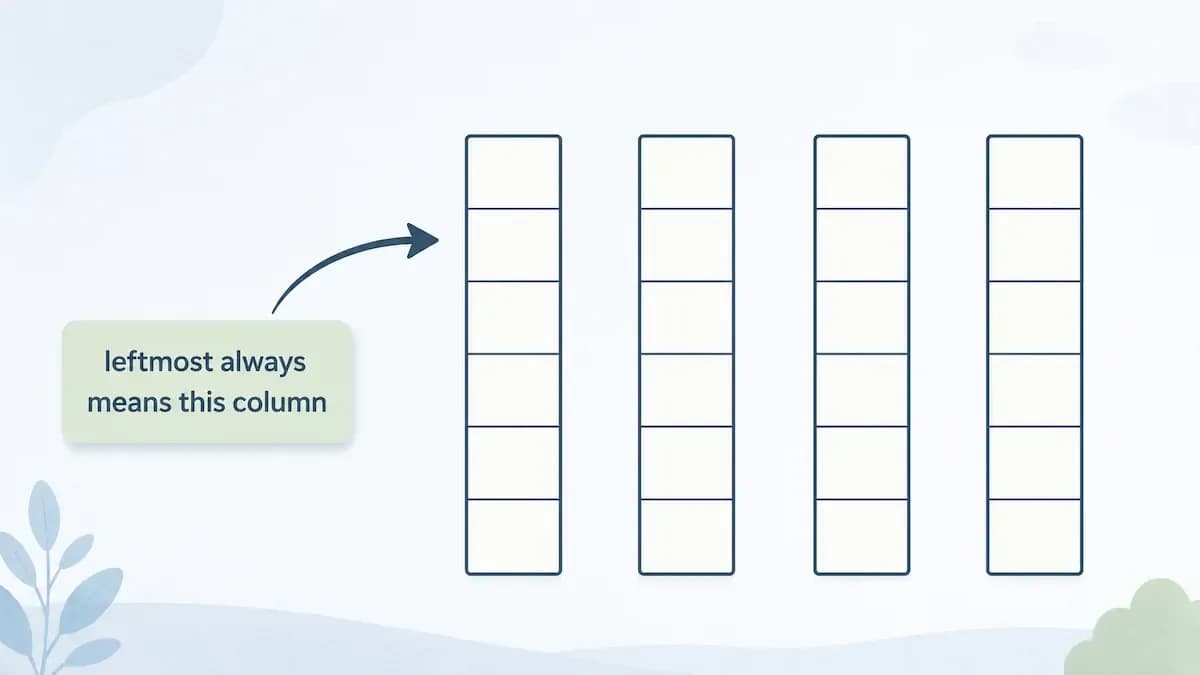
Two words in Profile Perfect only ever point at the edges of the grid. They never describe a middle position, so once you spot them you can rule out every column except one.
Leftmost means the first column in the row, full stop. It never means "near the left" or "one of the early ones." It means column one, no exceptions.
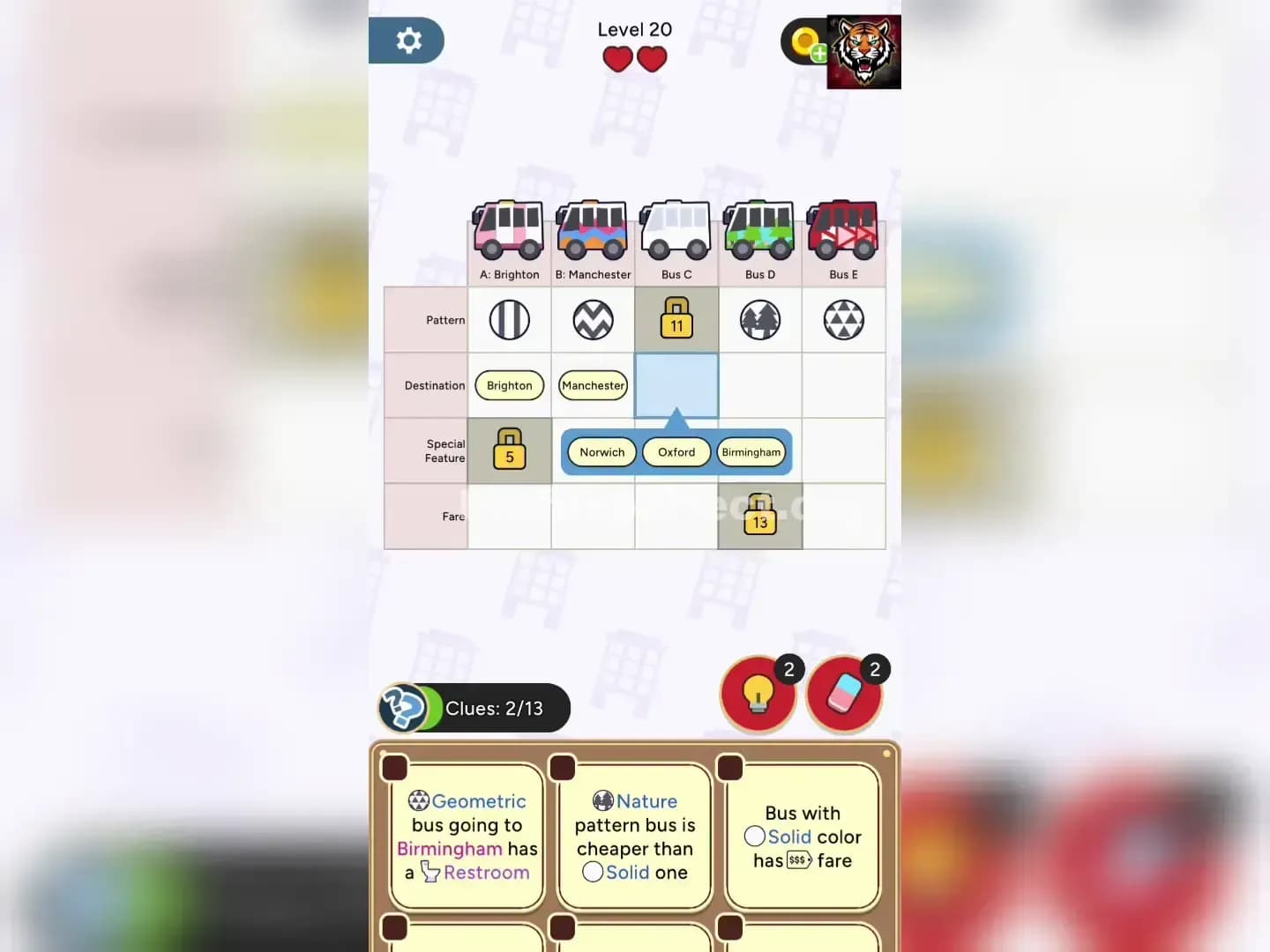
Level 20 hands you this word on the very first move. The level has five buses to sort by pattern, destination, feature, and fare. One clue reads "Leftmost bus has a Bike Rack mounted." That single sentence locks Bus A's special feature to Bike Rack before you touch anything else.
| Subject | Pattern | Destination | Special Feature | Fare |
|---|---|---|---|---|
| Bus A | Striped | Brighton | Bike Rack | $ |
| Bus B | Zigzag | Manchester | Sleeper Seat | $$$$$ |
| Bus C | Solid | Oxford | Wi-Fi | $$$ |
| Bus D | Nature | Norwich | Wheelchair | $$ |
| Bus E | Geometric | Birmingham | Restroom | $$$$ |
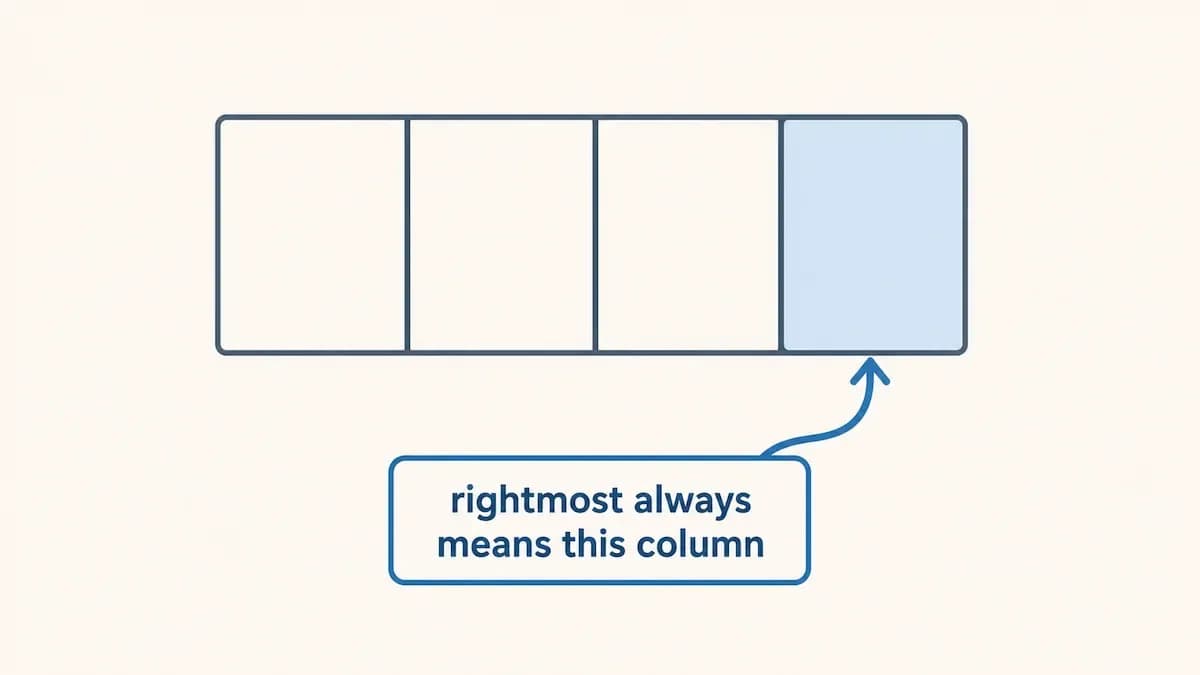
Rightmost is the mirror image. It always names the last column, and it carries the same certainty as leftmost. You never need a second clue to confirm which column it points to.
Level 10 uses this word to hand you a full cell in one move. The level tracks four traps by material, animal, and owner. The clue "Alice uses the rightmost trap to catch a Dove" fills two boxes at once, both the owner and the animal for Trap D, before you have solved anything else.
| Subject | Material | Animal | Owner |
|---|---|---|---|
| Trap A | Wood | Rabbit | John |
| Trap B | Steel | Fox | Susan |
| Trap C | Plastic | Squirrel | Bob |
| Trap D | Bamboo | Dove | Alice |
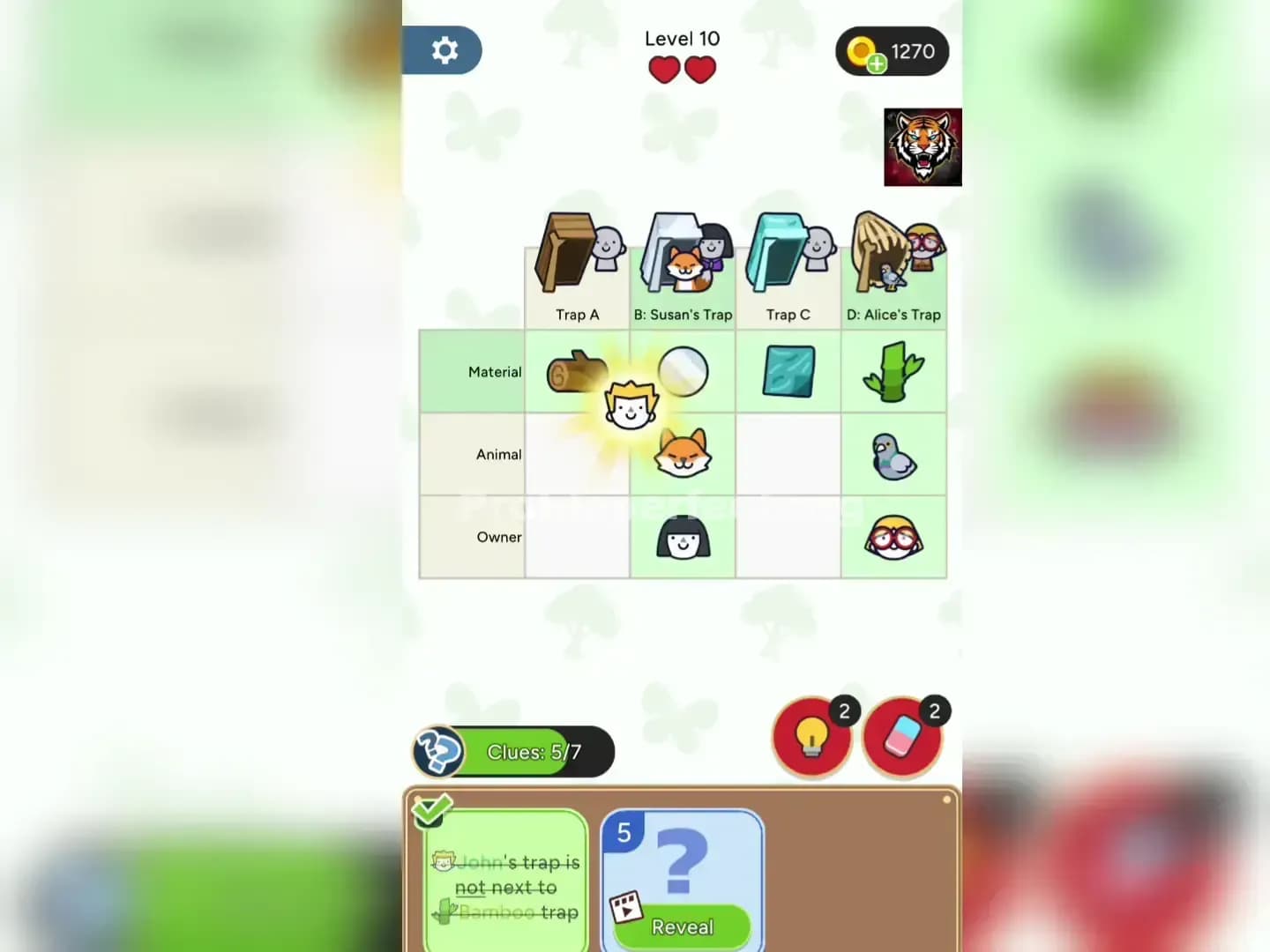
Most Profile Perfect clues do not talk about edges. They talk about how one subject sits relative to a neighbor. These two words look similar but ask for very different amounts of proof.
Next to means directly beside, sharing a border with no gap. It says nothing about direction, so the subject it names could sit on either side unless another clue narrows it down.
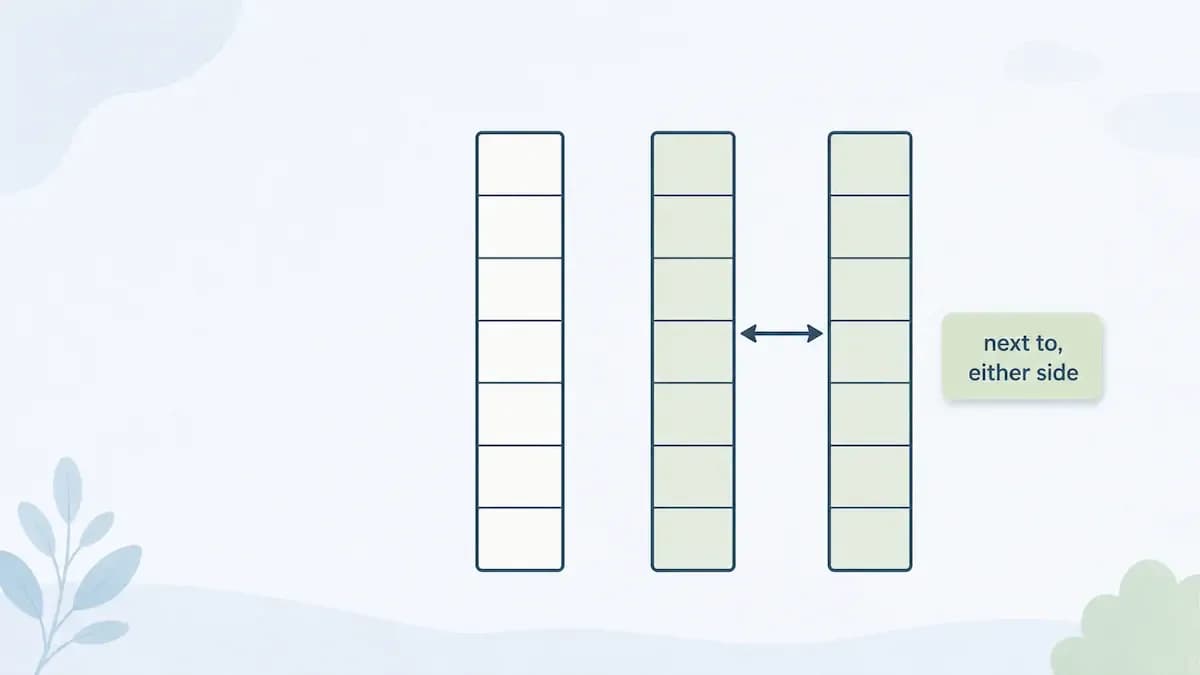
Back in Level 10, the very first clue reads "Steel trap is next to the Wood trap." The puzzle already told you Trap A holds the Wood material as a locked starting answer, so this clue only has one open neighbor to check. Trap B lands on Steel because it sits right beside Trap A.
The trick with "next to" is remembering it never claims a direction on its own. If the puzzle had two open neighbors instead of one, you would need a second clue before tapping anything.
Farthest is the strict version of "not next to." It does not just rule out the closest neighbor, it points at the single subject with the greatest distance from the one named in the clue. In a row of four, that means the far end almost every time.
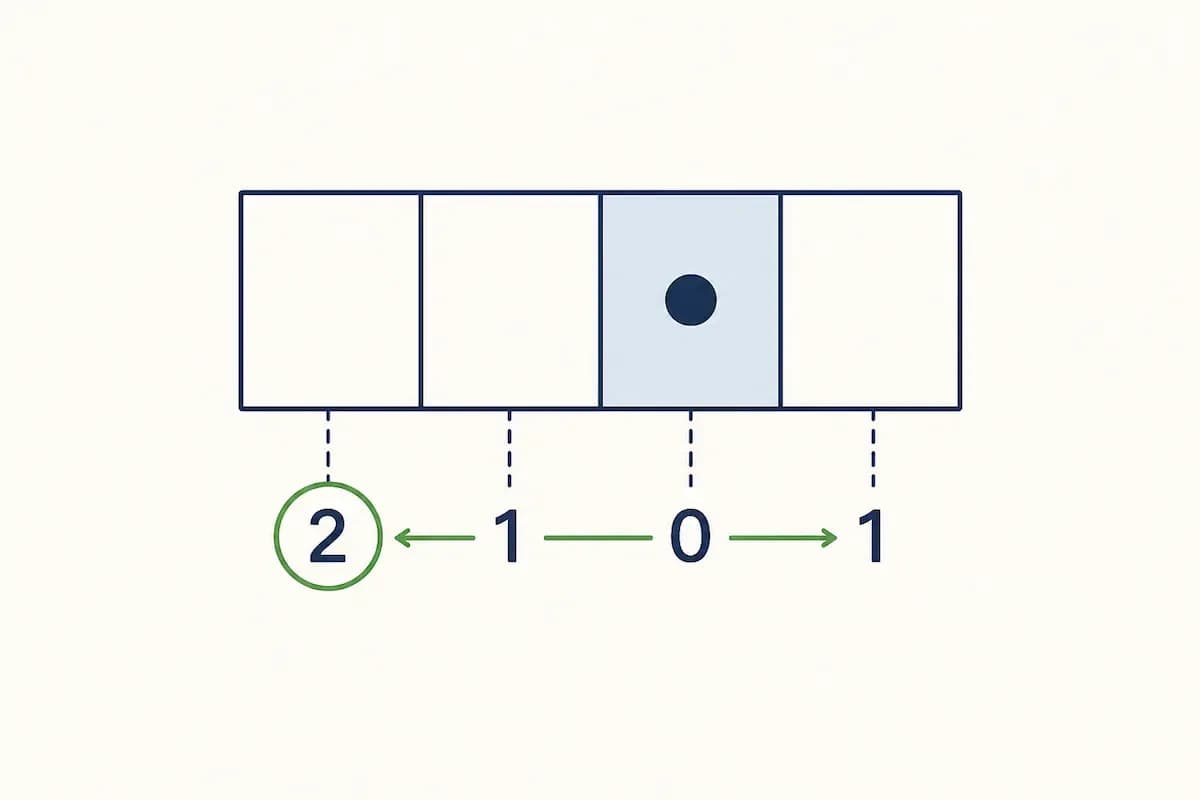
Level 110 is a clean example. Four horses sit in a row, and one clue says "Horse farthest from the Grey one is very Calm." The Grey horse sits in the third column. Counting outward, the third column's farthest neighbor is the first column, two spaces away, which beats the one space gap on either side of it. That places the Calm temperament on Horse A.
| Subject | Coat Color | Accessory | Temperament |
|---|---|---|---|
| Horse A | Palomino | Ceremonial | Calm |
| Horse B | Chestnut | Garland | Fierce |
| Horse C | Grey | Saddle | Playful |
| Horse D | Black | Headdress | Fierce |
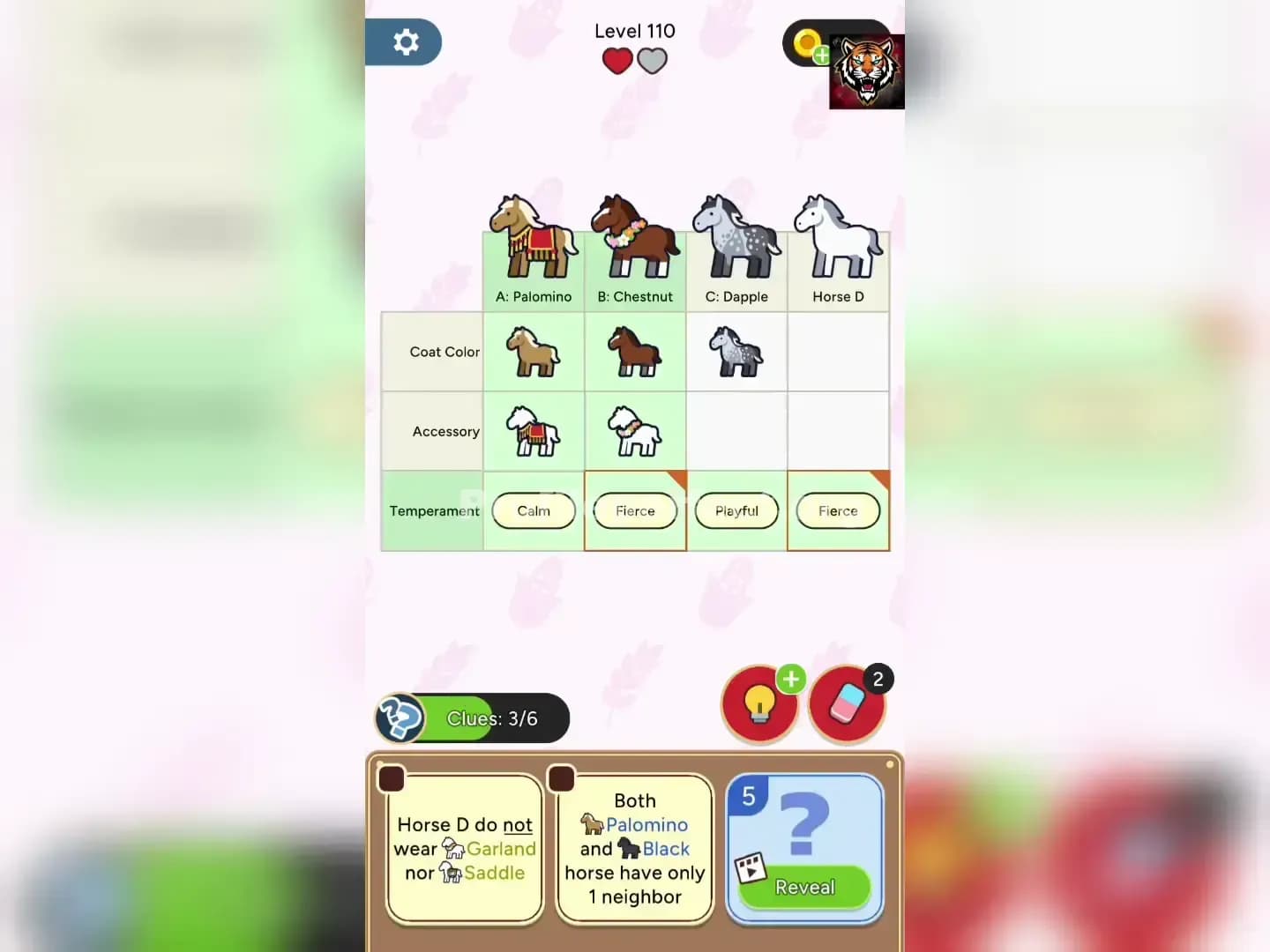
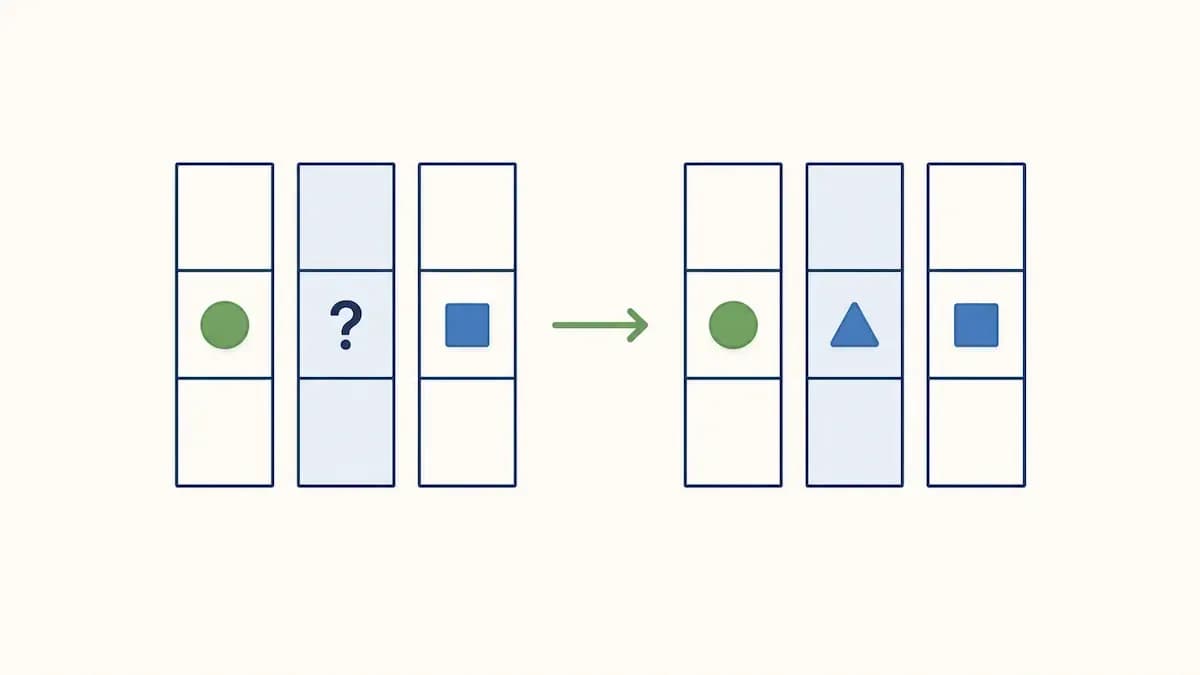
Between deserves its own entry because it is the only word in this list that names three subjects at once and locks the middle one in a single move. Whatever sits between two named subjects has to occupy the column directly in the middle of them, with no other column possible.
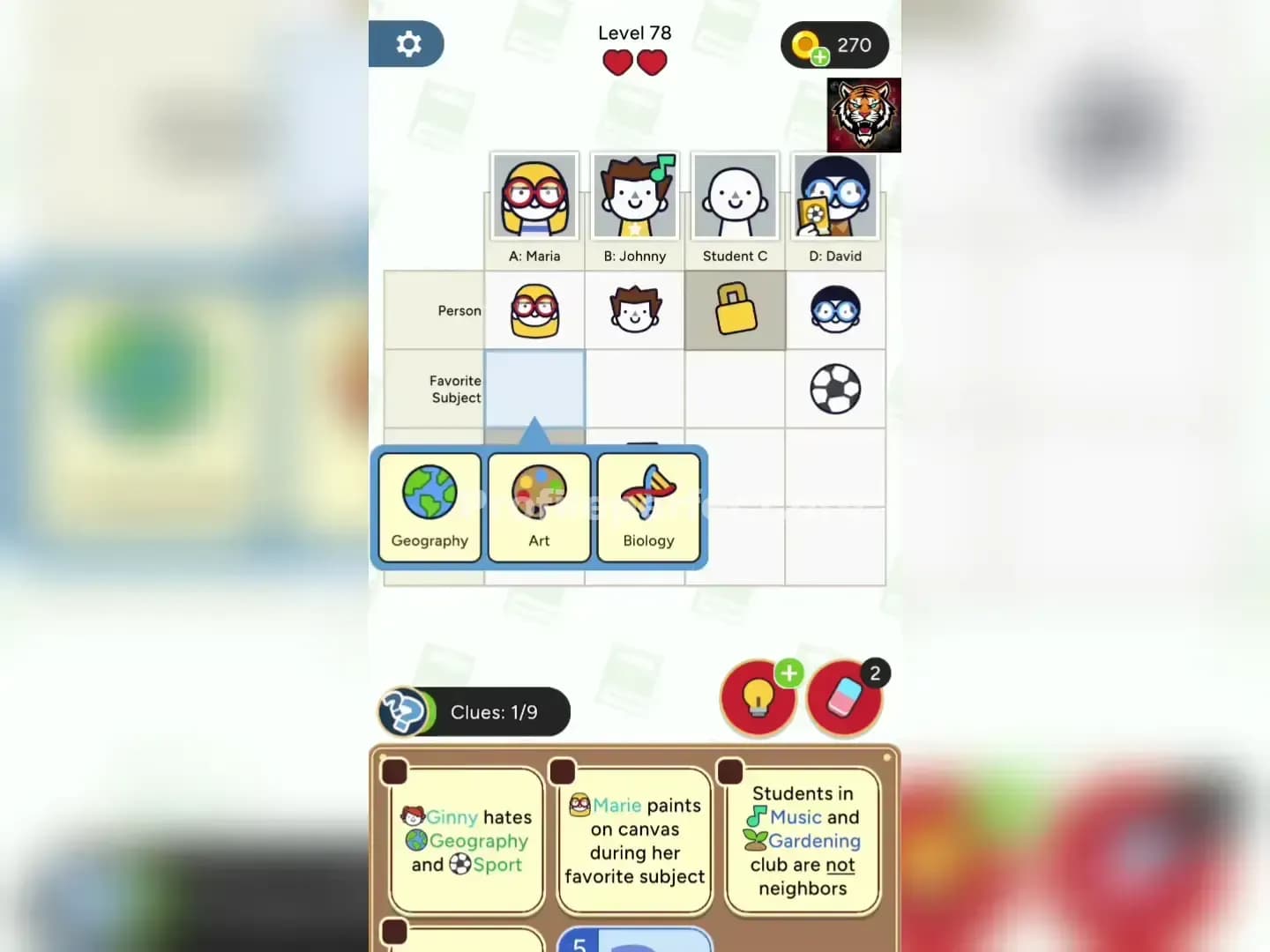
Level 78 shows this at full strength. Four students need to be matched to their favorite subject, club, and grade, and one of the earliest clues says "Ginny is between Johnny and David." The puzzle already places Johnny in the second column and David in the fourth. The only column sitting between column two and column four is column three, so Ginny locks into Student C without needing any other clue.
| Subject | Person | Favorite Subject | Club Activity | Grade |
|---|---|---|---|---|
| Student A | Marie | Art | Drama | B |
| Student B | Johnny | Geography | Music | B+ |
| Student C | Ginny | Biology | Chess | C |
| Student D | David | Sport | Gardening | A+ |
Two words in Profile Perfect ask you to weigh one subject against another. Neither one hands you a number outright. Both make you line up two cells and compare them before you can tap.
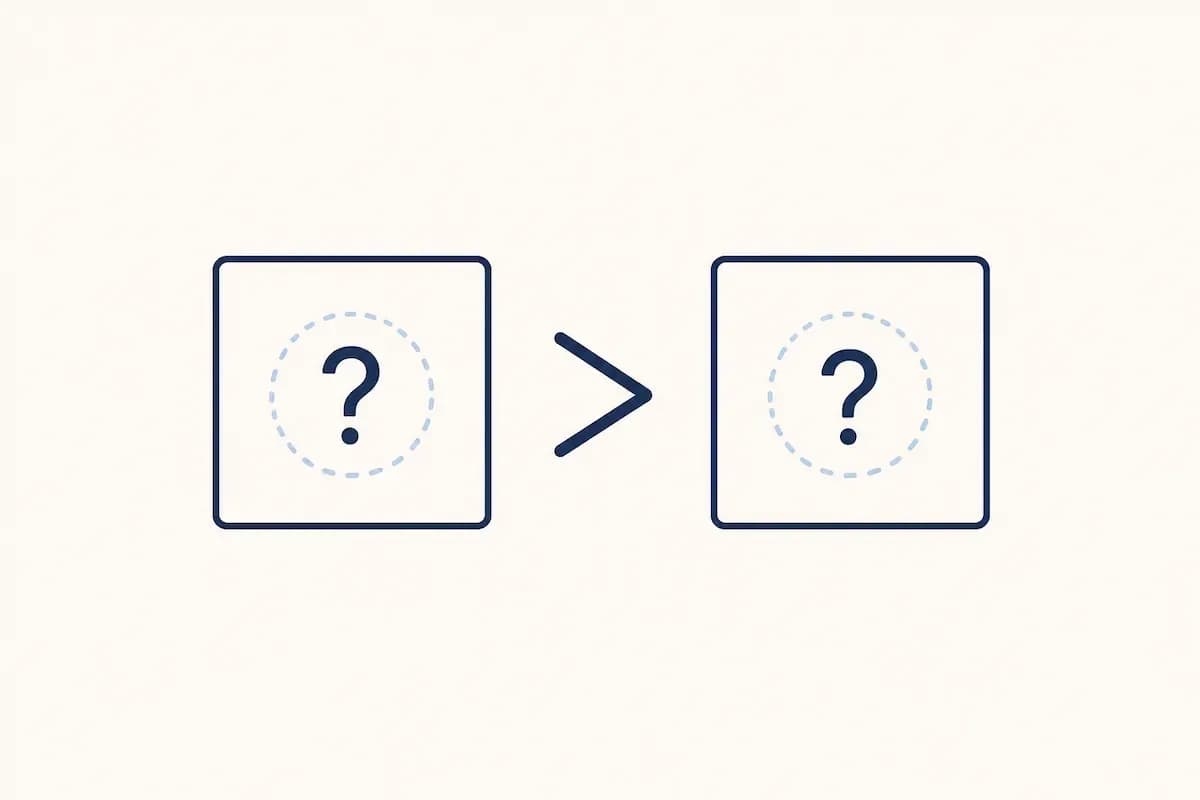
More than sets up a comparison between two subjects on a shared trait, usually a count or a price. It tells you which side is bigger, not by how much, so you still need the actual numbers from elsewhere on the grid.
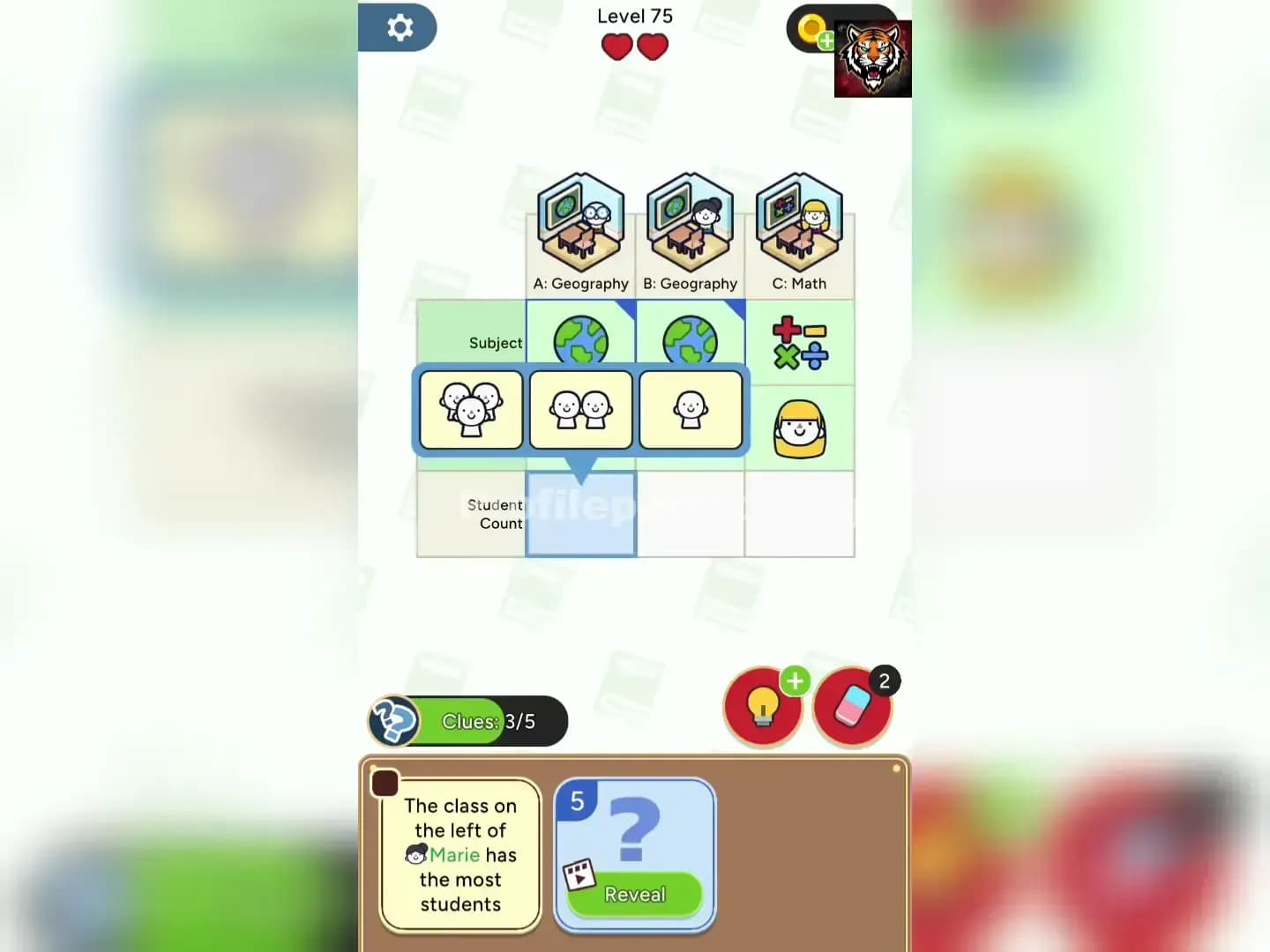
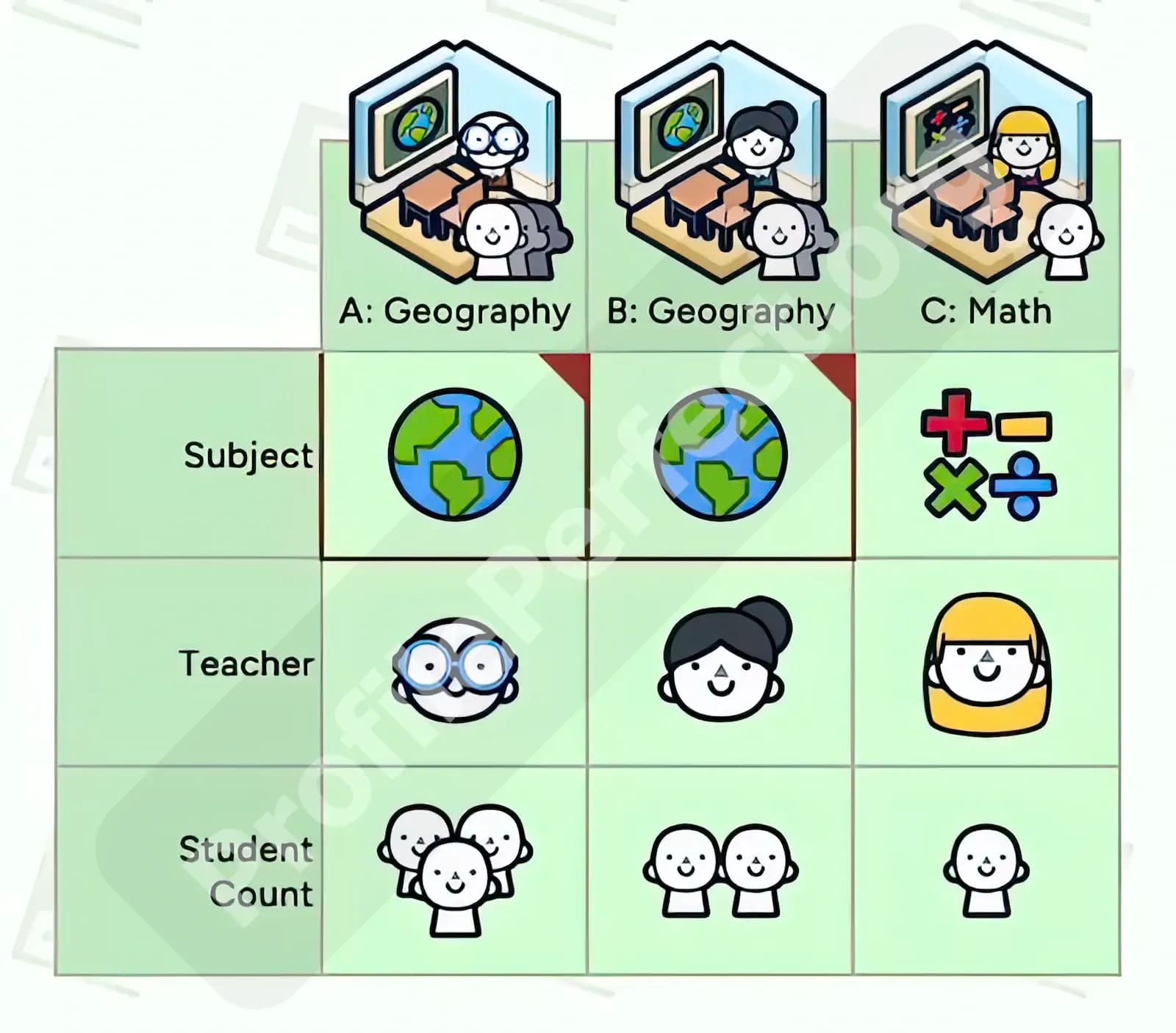
Level 75 uses this to confirm a count you can already half see from another clue. The level sorts three classrooms by subject, teacher, and student count. One clue says "Marie has more students than the class on her right." Marie teaches the middle classroom, and her count of 2 students beats the 1 student sitting in the classroom to her right. The comparison clue does not invent new numbers, it confirms the order the rest of the grid already suggests.
| Subject | Subject Taught | Teacher | Student Count |
|---|---|---|---|
| Classroom A | Geography | John | x3 |
| Classroom B | Geography | Marie | x2 |
| Classroom C | Mathematics | Lewis | x1 |
Same as claims two subjects share a value, but that value is not always a direct trait you can see in a column. Sometimes it is a hidden count, like how many neighbors a subject has, which forces you to look at the shape of the whole row instead of a single cell.
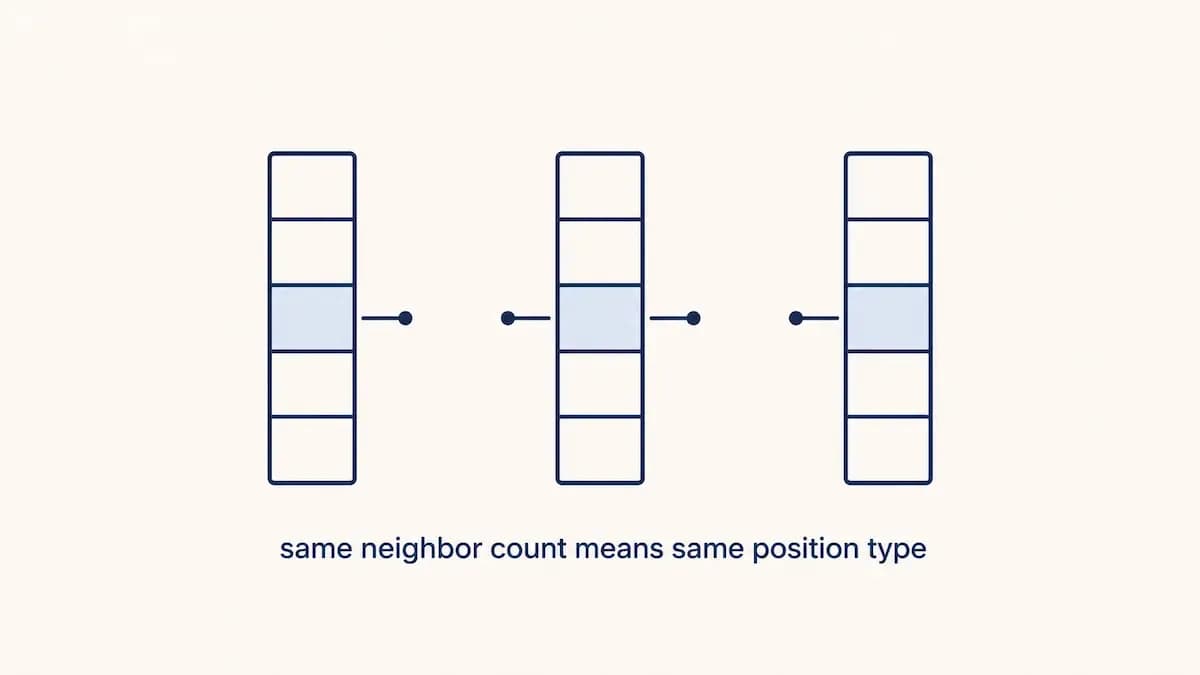
Level 75 also carries a great same as example before the "more than" clue even comes into play. It reads "John and Lewis have the same number of neighbors." In a row of three classrooms, only the middle seat has two neighbors, while both end seats have exactly one. If John and Lewis share the same neighbor count, neither of them can be sitting in the middle. The solved grid confirms it, John teaches the leftmost classroom and Lewis teaches the rightmost one, both end seats with one neighbor each.
The last two words work by narrowing your options rather than describing a position. They are easy to misread because they sound like small statements, but they can lock an entire cell if you read them carefully.
Only claims a subject is the single one in the whole grid with a given trait. Once you see it, you can stop scanning the other subjects for that trait entirely, since the puzzle just told you nobody else qualifies.
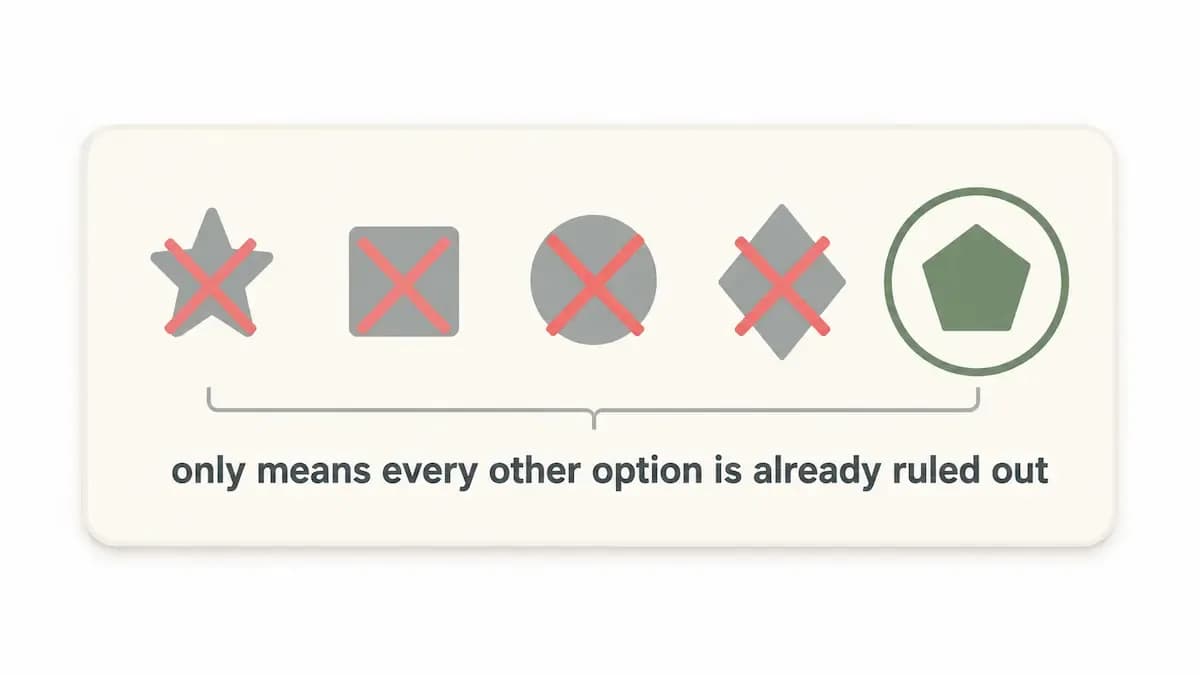
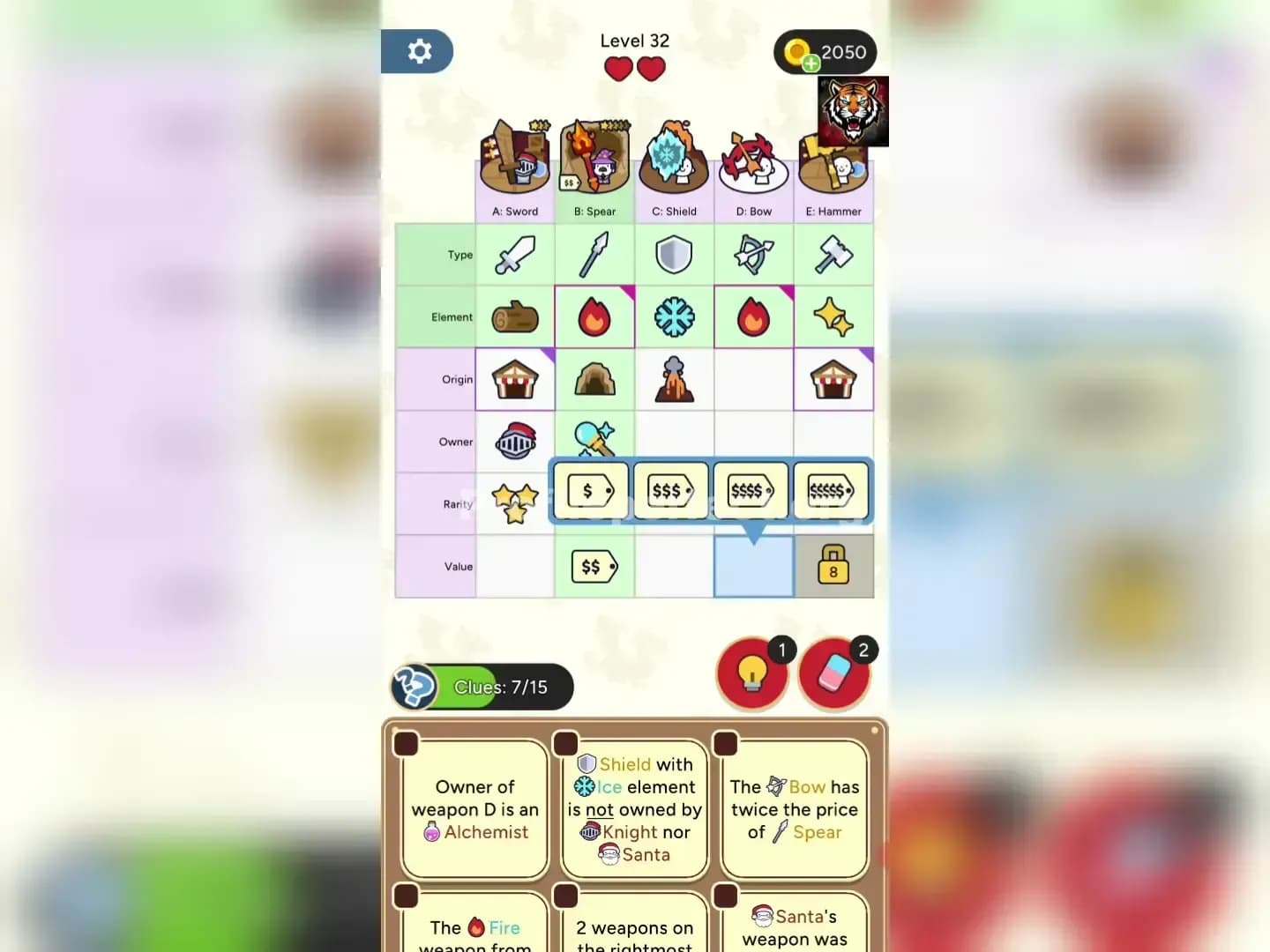
Level 32 gives you the cleanest version of this word. Five weapons need matching to a type, element, origin, owner, rarity, and value. The very first clue says "Weapon C is the only defensive type." Out of five possible weapon types across the row, exactly one is defensive. That single sentence hands you Weapon C's type, Shield, with no other clue required.
| Subject | Type | Owner |
|---|---|---|
| Weapon A | Sword | Knight |
| Weapon B | Spear | Wizard |
| Weapon C | Shield | Elf |
| Weapon D | Bow | Alchemist |
| Weapon E | Hammer | Santa |
Not removes exactly one option from exactly one cell. It never names the correct answer by itself, and treating it like a finished answer is the single most common way players lose a life on an otherwise easy level.
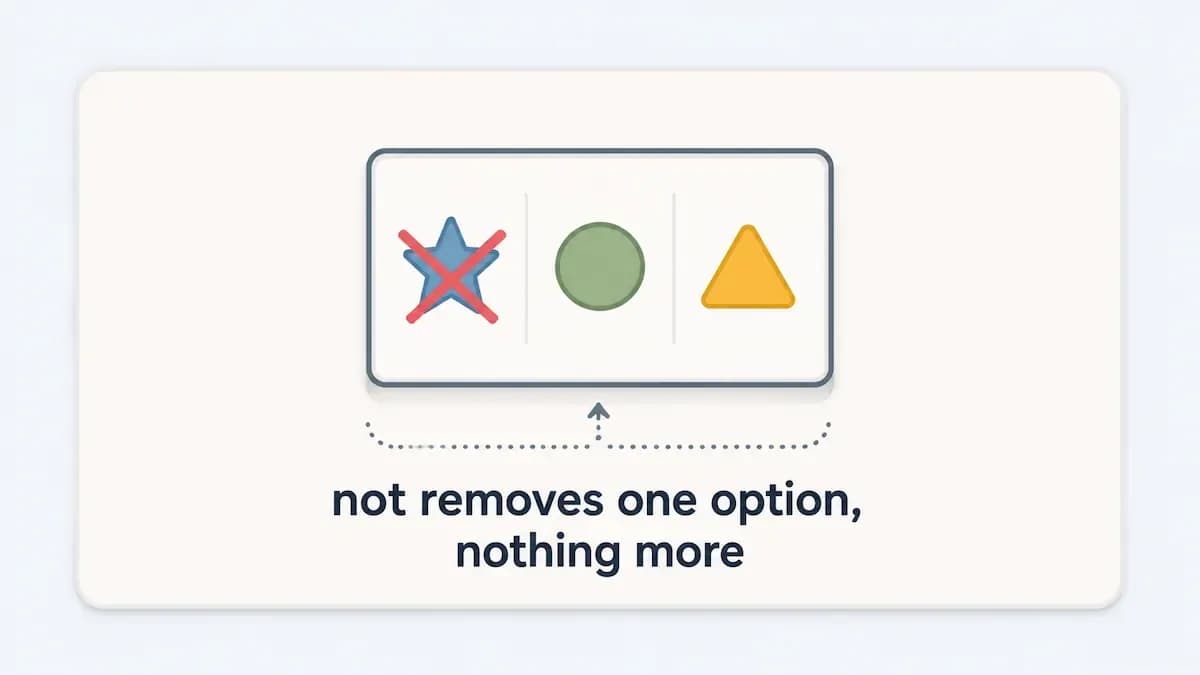
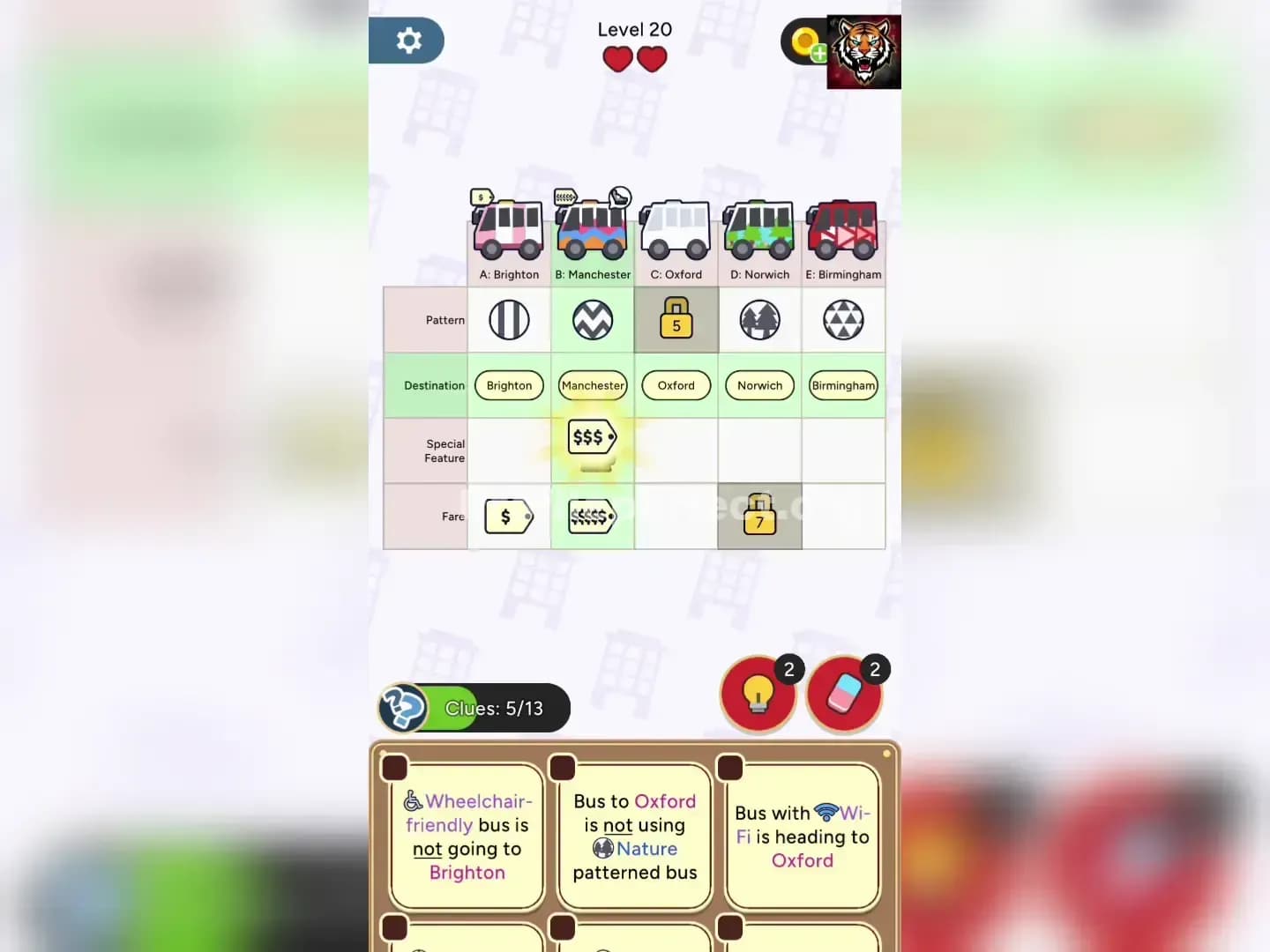
Level 20 shows this limit clearly. One clue reads "Wheelchair friendly bus is not going to Brighton." On its own, that only removes Brighton as a destination for whichever bus carries the wheelchair feature. It takes the rest of the grid, including the leftmost clue you already solved for Bus A, to narrow the wheelchair bus down to Bus D and its actual destination, Norwich.
| Subject | Pattern | Destination | Special Feature | Fare |
|---|---|---|---|---|
| Bus A | Striped | Brighton | Bike Rack | $ |
| Bus D | Nature | Norwich | Wheelchair | $$ |
None of these nine words are complicated on their own. The trouble starts when three or four of them stack up in the same level and you try to hold every implication in your head at once. Read one word at a time, check what it actually proves against the mini diagrams above, and tap only when the grid itself, not just the clue, leaves you one option.
Bookmark this page and come back to a single section whenever a clue stops you mid level. You will spend less time rereading and more time actually filling in the grid.